
Future of learning in digital age is redefining education with AI, virtual classrooms, and lifelong learning. Discover how it’s transforming your future!
The future of learning in the digital age blends technology, personalized education, and human creativity. AI tutors, virtual classrooms, and adaptive platforms are shaping a new era of lifelong learning that’s flexible, interactive, and accessible to everyone.
Future Of Learning In Digital Age 🌐
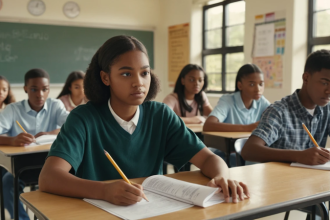
Have you ever wondered what classrooms will look like 10 years from now? No chalkboards, no paper-heavy textbooks—just smart devices, immersive lessons, and personalized education designed around you. Sounds exciting, right?
The future of learning in the digital age isn’t just about online classes—it’s a complete transformation of how we learn, teach, and grow. From AI-powered tutors to immersive virtual environments, the way we absorb knowledge is becoming smarter, faster, and deeply engaging.
Let’s dive into how digital transformation is reshaping education for students, professionals, and lifelong learners around the world.
The Shift From Traditional To Digital Learning 🚀
For decades, classrooms were confined to four walls. But technology has blown those walls apart.
Today’s students learn from anywhere—at home, in coffee shops, or even on the go. Digital learning tools make education accessible and inclusive for everyone.
- Online platforms like Coursera, Udemy, and Khan Academy provide world-class lessons on demand.
- Interactive apps and AI tutors offer real-time feedback.
- Gamified lessons keep learners motivated.
The move from traditional to digital learning isn’t just a trend—it’s the new normal.
Why Digital Learning Matters More Than Ever 💡
The digital world moves fast—and education has to keep up.
Digital learning ensures you can stay ahead of the curve, picking up skills for today’s fast-changing industries. Whether it’s coding, marketing, or emotional intelligence, there’s always something new to learn.
Key benefits include:
- Flexibility to learn anytime, anywhere.
- Affordable, scalable education.
- Real-time progress tracking.
- Custom learning experiences powered by data.
In short: the digital classroom never closes.
Personalized Learning With AI Tutors 🤖
AI is the future of personalized learning. Instead of one-size-fits-all lessons, AI analyzes how you learn best—and adapts.
Imagine a digital tutor that knows your strengths, weaknesses, and study pace. It suggests lessons, quizzes, and exercises tailored just for you. That’s exactly what adaptive learning systems do today.
AI-powered tools like Duolingo, Quizlet, and Socratic already use this approach to help students learn smarter, not harder.
Blending Human Connection With Technology ❤️
Even with all the tech in the world, human connection still matters. Great teachers inspire curiosity, empathy, and creativity—qualities machines can’t replace.
In the future of learning, technology won’t replace teachers; it’ll empower them.
Educators can:
- Spend more time mentoring students individually.
- Use data-driven insights to tailor instruction.
- Encourage collaboration through virtual teamwork.
The result? A balanced blend of digital innovation and human touch.
Gamification: Turning Learning Into Play 🎮
Who said learning can’t be fun? Gamification makes education exciting by turning lessons into games.
From earning badges to unlocking levels, gamified platforms make learning addictive in a good way. Students stay engaged longer and remember more.
Popular platforms like Kahoot!, Classcraft, and Minecraft Education Edition make this approach mainstream—combining play with purpose.
Immersive Learning With AR And VR 🕶️
AR (Augmented Reality) and VR (Virtual Reality) are taking learning to a whole new dimension—literally.
Students can now explore the solar system, conduct virtual chemistry experiments, or even walk through historical cities from centuries ago.
| Technology | Learning Experience | Example |
| Augmented Reality (AR) | Adds digital overlays to real-world settings | Google Lens, Merge Cube |
| Virtual Reality (VR) | Creates fully immersive 3D environments | Oculus Quest, zSpace |
| Mixed Reality (MR) | Blends real and virtual interaction | Microsoft HoloLens |
These tools make learning visual, interactive, and unforgettable.
Microlearning: Bite-Sized Knowledge Snacks 🍎
Attention spans are shrinking, and that’s okay. Microlearning delivers small, focused lessons that fit into busy lives.
Each session lasts 3–5 minutes, focusing on a single concept. Perfect for quick learning during a lunch break or commute.
Why it works:
- Short lessons improve retention.
- Learners can revisit modules anytime.
- Great for professionals who need fast upskilling.
Platforms like Blinkist and LinkedIn Learning thrive on this model.
The Power Of Data In Education 📊
Education analytics are changing how teachers measure progress. Data reveals how students engage, what they struggle with, and what motivates them.
| Metric | Purpose | Outcome |
| Engagement Rate | Tracks participation | Identifies disengaged learners |
| Assessment Scores | Measures comprehension | Improves targeted teaching |
| Learning Path Data | Shows progress trends | Personalizes course structure |
When used ethically, learning data helps teachers predict outcomes and personalize strategies to maximize success.
Collaborative Learning In The Cloud ☁️
Collaboration isn’t limited to physical classrooms anymore. Cloud-based tools like Google Workspace, Miro, and Slack make teamwork seamless.
Students can co-edit projects, share feedback, and brainstorm ideas—all in real-time.
This global connectivity teaches critical soft skills such as:
- Communication
- Leadership
- Cultural awareness
Learning together builds stronger communities—and better problem solvers.
Accessibility: Learning Without Barriers ♿
Digital education breaks down barriers for learners with disabilities.
Voice recognition, captioning, screen readers, and adaptive software make it possible for everyone to participate.
Example innovations include:
- Text-to-speech tools for visually impaired learners.
- Real-time translation for multilingual classrooms.
- AI sign-language interpreters for virtual meetings.
Accessibility ensures education belongs to everyone.
Sustainability In Digital Learning 🌱
Going digital isn’t just efficient—it’s eco-friendly.
Fewer printed books and physical resources mean less waste. Virtual classrooms also reduce commuting, saving both time and carbon emissions.
| Aspect | Traditional Learning | Digital Learning |
| Paper Use | High | Minimal |
| Carbon Footprint | High (commuting) | Low (remote learning) |
| Energy Efficiency | Moderate | Optimized with cloud servers |
The greener classroom is digital—and sustainable for future generations.
The Rise Of Lifelong Learning 🔁
Gone are the days when education stopped after college. The digital age makes lifelong learning both possible and essential.
Industries evolve fast. Upskilling regularly helps professionals stay relevant. Whether it’s AI, leadership, or design—there’s always a new skill to master.
Lifelong learners benefit by:
- Staying competitive in the job market.
- Adapting to technological change.
- Fulfilling personal growth goals.
Soft Skills And Emotional Intelligence Matter More 💬
In a world run by machines, human skills are priceless.
Digital platforms now integrate training in empathy, teamwork, and communication—skills that AI can’t mimic.
These “human-first” abilities help people succeed not just at work, but in life. As technology takes over tasks, soft skills will define leaders.
Challenges In Digital Learning ⚠️
Despite the progress, digital learning faces real challenges:
- The digital divide still limits access in some regions.
- Screen fatigue affects focus and well-being.
- Privacy and data security remain concerns.
Solutions include hybrid models, offline learning support, and strong digital literacy training. The goal is to make learning safe, inclusive, and effective for all.
The Future Classroom: Smart, Connected, And Global 🌍
The classroom of the future won’t look like what we know today.
Think of AI-driven dashboards, VR field trips, global student collaboration, and instant translation tools—all integrated into one system.
Education is evolving into a lifelong, borderless experience where curiosity never stops. And that’s a beautiful thing.
Conclusion: The Future Is Already Here ✨
The future of learning in the digital age isn’t something to wait for—it’s happening now.
From AI tutors to immersive VR lessons, the boundaries of education are expanding daily. The focus is shifting from rote memorization to creativity, connection, and continuous growth.
In this new era, learning never ends—it evolves with you.
FAQs About The Future Of Learning
- What does digital learning mean in simple terms?
Digital learning uses technology to access lessons online. It allows students to learn anytime, anywhere, often through apps, videos, or virtual classrooms. - How will AI change education in the future?
AI will personalize learning, automate grading, and provide real-time feedback. It helps teachers focus on creativity and mentoring instead of repetitive tasks. - Is online learning as effective as classroom learning?
Yes, when designed well. Interactive tools, gamification, and real-time feedback make online learning as engaging and effective as traditional methods. - What skills will be most valuable in the digital age?
Critical thinking, adaptability, digital literacy, and emotional intelligence are key. These skills help individuals thrive in technology-driven environments. - How can students prepare for the future of learning?
Stay curious, embrace technology, and keep learning new skills. The more adaptable you are, the more opportunities you’ll have in the future world of work.