Future skills students need by 2030 are changing fast. Discover the essential abilities kids must build now to succeed in a tech-driven world.
Future skills students need by 2030 include digital literacy, critical thinking, emotional intelligence, creativity, adaptability, global awareness, and advanced tech skills. These abilities help young learners thrive in a rapidly evolving world shaped by automation and innovation.
Future Skills Students Need By 2030: What Kids Must Learn To Thrive 🌟
Have you ever wondered if the skills kids are learning today will still matter in just a few years? With technology moving faster than ever, many traditional abilities are becoming outdated. So what exactly do students need to learn now to stay future-ready?
Students will need strong digital literacy, advanced problem-solving, emotional intelligence, creativity, adaptability, and global competency by 2030. These skills help them thrive in a world shaped by automation, artificial intelligence, cultural diversity, and constant change.
Below is a complete breakdown of the future-proof skills every child should build now—written in a simple, friendly tone to help parents, teachers, and students understand what truly matters.
The Rise Of Future-Ready Skills 🚀
Technology is evolving at lightning speed, and careers are shifting just as fast. Jobs that once needed manual skills now require digital understanding and tech comfort. This shift means students must build abilities that machines cannot replace.
Students who learn adaptable and human-centered skills will stand out. These skills help them solve problems, connect with others, and think creatively. They also make students more confident as the world changes around them.
Here is a quick comparison of how skills are shifting:
Comparison Of Traditional vs. Future Skills
| Traditional Skills Schools Focused On | Future Skills Needed By 2030 |
| Memorization | Critical thinking |
| Routine tasks | Creativity and innovation |
| Individual work | Collaboration across cultures |
| Basic computer use | Advanced digital literacy |
| Fixed career paths | Lifelong learning mindset |
Digital Literacy And Tech Fluency 💻
Students must be comfortable using technology for more than entertainment. They will need to understand digital tools, online safety, and emerging platforms. This skill will matter in almost every career.
Digital literacy helps students communicate clearly and solve problems effectively. It also teaches them to think critically about online information. These abilities make students smarter, safer, and more capable.
Parents and teachers should begin encouraging:
- Safe internet habits
- Creative digital projects
- Responsible use of AI tools 🤖
Critical Thinking And Problem-Solving 🧠
By 2030, students must think logically and solve complex problems quickly. Machines can process data, but humans must decide what it means. That is where strong thinking skills become valuable.
Critical thinking teaches students to examine information instead of accepting it blindly. It helps them make smart decisions even when things feel uncertain. Problem-solving skills also boost confidence in challenging situations.
Students can practice these skills through:
- Puzzles and strategy games
- Real-world case studies
- Asking why and how questions
Emotional Intelligence (EQ) And Empathy ❤️
Automation may replace tasks, but it cannot replace human connection. Emotional intelligence helps students understand their own feelings and connect with others more easily.
Strong EQ leads to better teamwork, leadership, and communication. It also reduces stress and improves mental health. These skills are becoming essential as workplaces become more collaborative.
Students should learn to:
- Recognize emotions
- Communicate clearly
- Handle conflicts with respect
Key Elements Of Emotional Intelligence
| EQ Skill | Why It Matters |
| Self-awareness | Helps kids understand their strengths and limits |
| Self-regulation | Builds calm thinking under pressure |
| Empathy | Encourages kindness and teamwork |
| Social skills | Strengthens communication and relationships |
Creativity And Innovation 🎨✨
Creativity is more than art. It is the ability to see new possibilities and think outside the box. By 2030, students must create fresh ideas, develop solutions, and bring imagination into everything they do.
Creative thinkers adapt more easily to change. They also find opportunities that others may overlook. Innovation grows naturally when students feel free to experiment and explore.
Encourage creativity through:
- Open-ended projects 🎭
- Brainstorming sessions
- Hands-on learning opportunities
Adaptability And Flexibility 🔄
The future will bring new tools, new careers, and new challenges. Adaptable students will adjust quickly instead of feeling overwhelmed. Flexibility helps them stay calm when plans shift suddenly.
Adaptability grows when students try unfamiliar things. It also improves when they learn to accept mistakes as normal. These small habits build strong resilience for the future.
Students should practice:
- Learning new technologies
- Trying new hobbies
- Embracing change rather than fearing it
Communication And Collaboration Skills 🗣️🤝
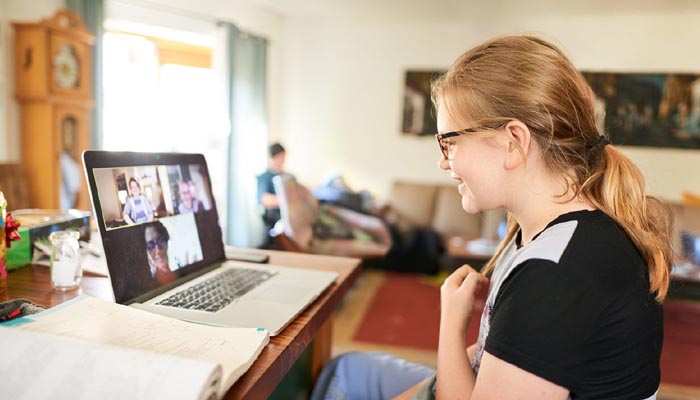
Strong communication is a must for every student by 2030. They must express ideas clearly, listen carefully, and communicate with people from different cultures.
Collaboration matters just as much. Most future jobs require teamwork, even across countries. Students must learn to work respectfully and share responsibilities.
Communication activities include:
- Group discussions
- Presentations
- Virtual teamwork
Global Awareness And Cultural Understanding 🌍
Students are no longer competing only with classmates. They are part of a global community. Understanding different cultures helps students avoid misunderstandings and build strong global relationships.
Cultural awareness also boosts curiosity and open-mindedness. Students who appreciate diversity become better collaborators and leaders. Schools should introduce global topics early.
Students benefit from:
- Learning world history
- Studying global issues
- Connecting with students worldwide
Financial Literacy And Money Management 💰
By 2030, financial skills will be essential for younger generations. Students must learn how money works, how to budget, and how to plan long-term goals.
Financial literacy builds responsibility and reduces stress. Students who understand money early make smarter choices later. This skill will help them succeed in both personal and professional life.
Important topics include:
- Saving and spending
- Budget planning
- Basic investing concepts
STEM Skills And Analytical Thinking 🔬
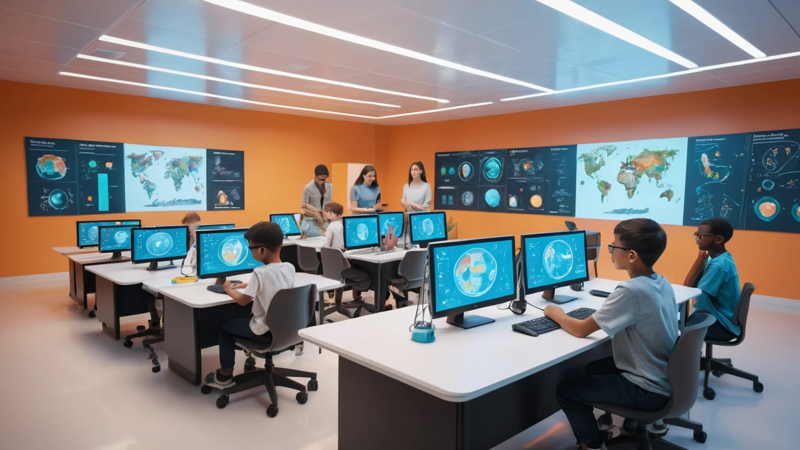
Science, technology, engineering, and math will shape the future of work. Students need a strong foundation in STEM to solve real-world problems. These skills help them understand patterns, test ideas, and think in a structured way.
STEM knowledge also opens opportunities in high-paying fields. Students do not need to become engineers to benefit from STEM. They only need to understand how things work and why.
STEM development can come from:
- Hands-on experiments
- Robotics kits 🤖
- Coding games
Examples Of STEM-Based Future Career Fields
| Career Area | Why It’s Growing |
| Artificial intelligence | Expanding automation across industries |
| Renewable energy | Growing focus on sustainability |
| Biotechnology | Advances in health and science |
| Data analytics | Rising need for insights and predictions |
Leadership And Decision-Making Skills 🏆
Leadership is not just for adults. Students must build leadership habits early. These skills help them guide peers, solve conflicts, and make decisions responsibly.
Good leaders listen, encourage teamwork, and act with confidence. Decision-making becomes easier when students learn to weigh pros and cons. Strong leadership also builds character and independence.
Students strengthen leadership through:
- Group projects
- Peer mentoring
- Classroom responsibilities
Ethics, Responsibility, And Digital Citizenship 🔐
As technology becomes more powerful, students must learn how to use it wisely. Ethical thinking helps them make fair, responsible choices. Digital citizenship teaches them how to stay safe online.
Students should understand:
- Online privacy
- Respectful digital behavior
- Avoiding misinformation
Strong ethics protect students from risks and help them make better decisions.
Entrepreneurial Mindset And Initiative 💡
The future belongs to self-starters. Students with entrepreneurial thinking will see problems as opportunities. They will be more willing to take smart risks and build creative solutions.
This mindset encourages independence and confidence. It also prepares students for careers that may not exist today. Students learn initiative by testing ideas and learning from mistakes.
Encourage entrepreneurship through:
- Small projects
- Design challenges
- Innovation competitions
Time Management And Organizational Skills ⏰
Students must learn to manage time wisely as responsibilities grow. Time management improves focus, reduces stress, and builds strong productivity habits.
Organizational skills also make learning easier. Students who stay organized complete tasks faster and feel more in control. These skills benefit them for life.
Helpful habits include:
- Using planners
- Setting priorities
- Breaking tasks into smaller steps
Environmental Awareness And Sustainability 🌱
Future generations must care for the planet. Students need to learn how their choices impact the environment. This skill teaches responsibility and encourages eco-friendly habits.
Schools can introduce sustainability through projects and awareness activities. Students learn to appreciate nature and think about long-term solutions. These lessons prepare them for a greener future.
Kids can participate in:
- Recycling programs
- Nature projects
- Energy-saving challenges ♻️
Conclusion
The world is changing quickly, and students must prepare for a future filled with technology, creativity, and global connections. The skills needed by 2030 go far beyond traditional school subjects. They include digital fluency, emotional intelligence, critical thinking, creativity, leadership, and adaptability.
When students build these abilities early, they grow into confident, capable adults ready to thrive in any environment. These future skills help them shape a better world and take control of their dreams with courage and clarity.
FAQs
What are the key future skills for students?
Students need digital literacy, emotional intelligence, critical thinking, creativity, and adaptability. These skills prepare them for rapid technological changes. They also help students thrive in school, work, and personal life.
How can parents build future skills at home?
Parents can support skills through puzzles, digital projects, reading, and open conversations. Simple activities build confidence and curiosity. Kids learn best when learning feels fun and natural.
Why is emotional intelligence important by 2030?
Emotional intelligence helps students understand themselves and others. It makes teamwork easier and reduces stress. These abilities will matter even more in tech-heavy careers.
What STEM skills will matter most in the future?
Students will need basic coding, problem-solving, data thinking, and scientific literacy. These skills open doors across many industries. They also help students think logically and creatively.
How can schools prepare students for future careers?
Schools can add digital tools, hands-on learning, and global awareness activities. They should encourage creativity, teamwork, and independent thinking. These strategies help students grow into future-ready learners.