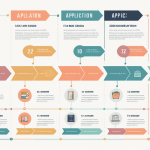

3 month MCAT study schedule for beginners USA with a simple weekly plan, tips, and proven strategies to boost your score fast.
3 Month MCAT Study Schedule For Beginners USA
Want to crack the MCAT in just 3 months—even if you’re starting from scratch?
Here’s the truth: a well-structured 3 month MCAT study schedule can help beginners build strong concepts, practice effectively, and improve scores fast. With the right plan, consistent effort, and smart strategy, you can feel confident walking into test day.
🎯 Why A 3 Month MCAT Plan Works For Beginners
A 3-month timeline is ideal for most beginners. It gives enough time to cover all subjects without burnout. You can balance content review, practice, and full-length exams effectively.
Many students think they need six months or more. But that often leads to procrastination. A focused 90-day plan keeps you sharp and consistent.
With the right structure, you can:
- Build strong foundations
- Practice efficiently
- Track progress weekly
The key is consistency over perfection. Small daily effort leads to big results.
📅 How To Structure Your 90-Day MCAT Prep
Your study plan should be divided into three clear phases. Each phase has a specific goal. This makes your preparation more organized and less stressful.
Here’s the breakdown:
- Month 1: Content review
- Month 2: Practice and application
- Month 3: Full-length tests and revision
Each phase builds on the previous one. Skipping phases can hurt your performance.
Stick to a daily routine. Aim for 5–6 study days per week. Keep one day for rest or light review.
🧠 Month 1: Focus On Content Review
The first month is all about understanding concepts. You are building your foundation here. Without this step, practice will feel confusing.
Focus on major MCAT subjects:
- Biology
- Chemistry
- Physics
- Psychology and Sociology
Use simple resources and avoid overload. Keep your notes short and clear.
💡 Tip: Study actively. Don’t just read—summarize, teach, and quiz yourself.
📘 Weekly Breakdown For Month 1
You need a weekly structure to stay on track. Here’s a simple beginner-friendly plan.
| Week | Focus Area | Goal |
| Week 1 | Biology + Chemistry | Basic concepts |
| Week 2 | Physics + Psychology | Core principles |
| Week 3 | Mixed subjects | Strengthen weak areas |
| Week 4 | Review + Practice | Reinforce learning |
Each week should include:
- 3–4 hours of study daily
- 1–2 hours of revision
- Practice questions
Consistency matters more than intensity.
⏱️ Daily Study Routine For Beginners
Your daily routine should be simple and repeatable. Avoid complicated schedules. Keep it realistic.
Here’s a sample day:
- Study new topic (2 hours)
- Review notes (1 hour)
- Practice questions (1–2 hours)
- Quick revision (30 minutes)
Break your sessions into chunks. Use the Pomodoro technique for focus.
👉 Short breaks improve retention and reduce burnout.
🔁 Importance Of Active Learning Techniques
Passive reading won’t help much. You need active learning methods. These improve memory and understanding.
Try these:
- Flashcards for quick recall
- Teaching concepts aloud
- Practice quizzes daily
“If you can teach it, you truly understand it.”
Active learning also makes studying less boring. It keeps your brain engaged.
📊 Month 2: Practice And Application
Now it’s time to apply what you learned. This is where real improvement happens. Practice helps identify weak areas.
Focus on:
- Sectional tests
- Timed practice
- Error analysis
Don’t just solve questions—understand mistakes. That’s where growth happens.
📈 Weekly Plan For Month 2
This month should be more practice-heavy. Here’s a structured approach.
| Week | Focus | Goal |
| Week 5 | Section practice | Improve accuracy |
| Week 6 | Mixed tests | Build endurance |
| Week 7 | Timed practice | Improve speed |
| Week 8 | Mini tests | Simulate exam |
Spend more time reviewing mistakes than solving questions.
🧪 Best Practice Strategies For MCAT Success
Practice smart, not just hard. Many beginners make the mistake of doing random questions.
Instead:
- Focus on weak topics
- Track your mistakes
- Review explanations deeply
Create a mistake journal. Write down errors and revisit them weekly.
💡 This helps avoid repeating the same mistakes.
🧩 How To Improve Weak Subjects Fast
Everyone has weak areas. The goal is to improve them quickly. Ignoring them can lower your score.
Steps to improve:
- Identify weak topics
- Re-learn basics
- Practice targeted questions
Keep it simple. Don’t try to master everything at once.
👉 Small improvements can lead to big score gains.
🧠 Month 3: Full-Length Tests And Revision
This is the final phase. You should now focus on test simulation. Full-length exams help build stamina.
Take at least:
- 4–6 full-length tests
Analyze each test carefully. This is more important than the test itself.
📅 Weekly Plan For Month 3
This phase is all about refining your strategy.
| Week | Activity | Goal |
| Week 9 | Full test 1 + review | Identify gaps |
| Week 10 | Full test 2 + review | Improve timing |
| Week 11 | Full test 3 + review | Build confidence |
| Week 12 | Light review | Final polish |
Avoid burnout in the final week. Keep things light and focused.
⏳ Time Management Tips For Test Day
Time is your biggest challenge during the MCAT. Good timing can boost your score.
Tips to follow:
- Don’t spend too long on one question
- Skip and return later
- Practice timed sections
“Speed comes from practice, not pressure.”
Train your brain to work under time limits.
🧾 Must-Have Study Resources For Beginners
Choosing the right resources is crucial. Too many books can confuse you.
Stick to:
- One main prep book
- Practice question banks
- Flashcards
Avoid switching resources often. It wastes time and breaks focus.
👉 Keep your study materials simple and effective.
🧘 How To Avoid Burnout During MCAT Prep
Burnout is common during intense study plans. You need to manage your energy.
Signs of burnout:
- Lack of motivation
- Poor focus
- Feeling overwhelmed
Prevent it by:
- Taking breaks
- Exercising lightly
- Sleeping well
Your brain needs rest to perform well.
🍎 Healthy Habits That Boost Study Performance
Your body affects your brain more than you think. Healthy habits improve focus and memory.
Focus on:
- Proper sleep (7–8 hours)
- Balanced diet
- Hydration
Even a short walk can refresh your mind.
💡 Healthy body = better concentration.
🎯 Common Mistakes Beginners Should Avoid
Avoiding mistakes can save you time and effort. Many beginners repeat the same errors.
Here are common mistakes:
- Studying without a plan
- Ignoring weak areas
- Skipping practice tests
Don’t aim for perfection. Aim for progress.
💡 Final Tips To Maximize Your MCAT Score
Small strategies can make a big difference. These tips can help you stay ahead.
- Stay consistent every day
- Focus on understanding, not memorizing
- Review mistakes regularly
- Stay positive and confident
“Consistency beats intensity every time.”
✅ Conclusion
A 3 month MCAT study schedule is powerful when used correctly. It helps beginners stay focused, organized, and motivated. By dividing your prep into clear phases, you can build strong concepts, practice effectively, and improve steadily.
Stick to your plan. Stay consistent. Learn from your mistakes. With the right mindset and strategy, you can achieve your target score and move closer to your medical school dream.
❓ FAQs
How to study for MCAT in 3 months?
Start with content review, then move to practice and full tests. Study daily for 4–6 hours. Focus on weak areas and review mistakes regularly.
Is 3 months enough for MCAT beginners?
Yes, 3 months is enough with a structured plan. Consistency and smart study methods matter most. Avoid distractions and stay focused.
How many hours daily for MCAT prep?
Aim for 4–6 hours daily. Split time between learning and practice. Take short breaks to stay productive.
Best way to improve MCAT score fast?
Practice regularly and analyze mistakes. Focus on weak subjects. Take full-length tests to track progress.
Can I self-study for MCAT in 3 months?
Yes, self-study works well with discipline. Use good resources and follow a schedule. Stay consistent and track your progress.