How to make history interesting using simple, fun, and creative methods that boost memory, curiosity, and classroom engagement fast.
History becomes interesting when you connect real people, emotions, stories, and modern life to past events. Using movies, storytelling, games, timelines, and personal connections can turn boring dates into unforgettable experiences that are fun and easy to remember.
How To Make History Interesting
Have you ever wondered why history feels boring to some people but exciting to others? 🤔 The difference is not the subject itself. It is how the subject is taught and explored.
History is full of drama, betrayal, adventure, courage, mystery, and survival. It includes kings, rebels, inventors, warriors, artists, and ordinary people who changed the world. When you stop memorizing dates and start seeing history as human stories, everything changes.
Whether you are a student, teacher, homeschool parent, or curious learner, there are many ways to make history exciting. The key is to make it personal, visual, emotional, and interactive.
📚 Understand History As Stories, Not Facts
Most people struggle with history because they treat it like a list of random facts. They focus on memorizing years, battles, and names without understanding the story behind them. That approach quickly becomes exhausting.
Instead, think of history as one giant movie filled with real characters. Every event happened because people made decisions, took risks, and faced challenges. Once you focus on the human side, history suddenly feels alive.
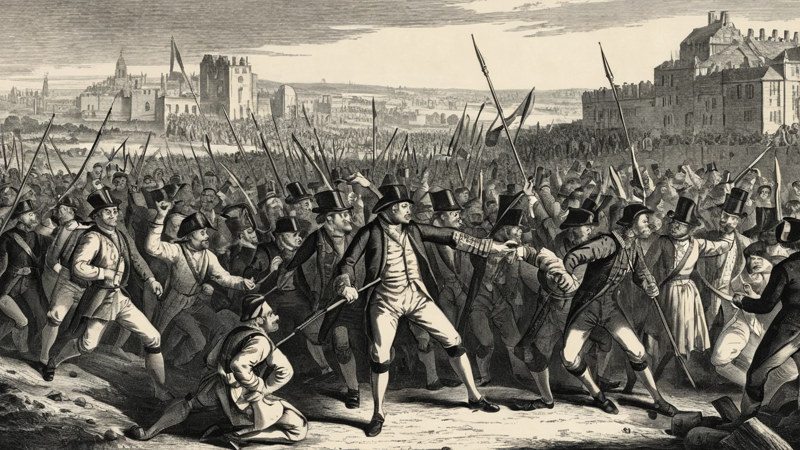
For example, learning about the American Revolution becomes more interesting when you imagine the fear, anger, and hope people felt during that time. Emotions create memory. Facts alone rarely do.
🎬 Use Movies And Documentaries
Movies are one of the easiest ways to make history engaging. Visual storytelling helps people understand events faster and remember details longer. It also creates emotional connections with historical figures.
Historical films allow viewers to experience the atmosphere of a specific time period. Costumes, music, language, and settings make the past feel real. Even younger learners stay focused longer with visual content.
Some great ways to use movies include:
- Watch one film after studying a topic
- Compare the movie with real historical facts
- Discuss what was accurate and what was changed
- Create short reviews or reactions
Here are a few popular historical movie categories:
| Historical Topic | Popular Film Style | Why It Works |
| Ancient Rome | Action Drama | Builds excitement and curiosity |
| World War II | Emotional Storytelling | Creates empathy and understanding |
| Civil Rights Movement | Biographical Films | Connects history to real people |
| Medieval Europe | Adventure Epics | Makes politics and battles easier |
Movies should support learning, not replace it. The real value comes from discussing what happened afterward.
🗺️ Connect History To Everyday Life
One powerful trick is connecting historical events to modern problems and experiences. When learners see how history still affects today’s world, they become more interested.
For example, many current political systems, laws, and social issues started centuries ago. Technology, culture, and traditions all have historical roots. Understanding the past helps explain the present.
Ask questions like:
- Why do countries have borders today?
- Where did modern democracy begin?
- How did inventions shape daily life?
- What lessons can we learn from past mistakes?
These questions create curiosity. Curiosity naturally increases engagement.
🎮 Turn Learning Into Games
People learn faster when they are having fun 😄. Games transform history from passive reading into active participation. They also improve memory and teamwork.
Teachers and parents can use quizzes, escape rooms, trivia games, or role-playing activities. Students often remember game experiences better than textbook chapters.
Simple history game ideas include:
- Timeline races
- Historical scavenger hunts
- Character guessing games
- Debate competitions
- “Who Am I?” historical roleplay
Interactive activities encourage learners to think critically rather than memorize information mechanically.
🧠 Focus On Big Events First
History becomes confusing when learners drown in too many small details early on. A better strategy is starting with major events and then exploring smaller details later.
Big events create structure. Once learners understand the timeline, individual facts make more sense.
Here is a simple approach:
| Learning Stage | Focus Area | Benefit |
| Beginner | Major Events | Creates clear understanding |
| Intermediate | Important People | Adds emotional depth |
| Advanced | Smaller Details | Improves critical thinking |
This method prevents information overload and keeps learning enjoyable.
🎭 Bring Historical Characters To Life
Historical figures are often taught as distant names in textbooks. That makes them hard to relate to. Instead, treat them like real people with fears, dreams, flaws, and personalities.
Ask questions such as:
- What motivated them?
- What mistakes did they make?
- What challenges did they face?
- Would you agree with their choices?
When students analyze personalities instead of memorizing names, engagement increases dramatically.
Even controversial figures can create valuable discussions. Debates encourage critical thinking and emotional investment.
✈️ Visit Historical Places Whenever Possible
Nothing beats experiencing history in real life. Museums, monuments, battlefields, and historic towns create strong emotional memories.
Walking through historical locations helps learners visualize events more clearly. Even local history sites can become powerful educational tools.
A simple visit can inspire deeper learning because it activates multiple senses. Seeing artifacts, hearing stories, and exploring locations create stronger brain connections.
If travel is not possible, virtual tours and online museum experiences work surprisingly well too.
📖 Read Historical Fiction And Biographies
Textbooks often sound dry because they focus on information instead of storytelling. Historical fiction and biographies make the past more relatable.
Biographies show how real people lived, struggled, and succeeded. Historical novels add emotional depth while still teaching historical settings and events.
Some benefits include:
- Better imagination
- Stronger empathy
- Improved reading skills
- Easier memory retention
Readers often become emotionally attached to characters. That emotional connection increases curiosity about real history.
🗓️ Use Timelines To Build Understanding
Many learners feel lost because they cannot organize events mentally. Timelines solve this problem by showing how events connect over time.
Visual organization reduces confusion and improves long-term memory. Timelines also help students understand cause and effect relationships.
For example, one war may directly influence another event decades later. Seeing events visually makes these connections easier to understand.
Try creating timelines using:
- Sticky notes
- Whiteboards
- Digital apps
- Posters
- Interactive classroom walls
Color coding can make timelines even more engaging.
🎤 Encourage Discussions And Debates
History is filled with difficult decisions and conflicting opinions. Debates help learners think deeply instead of simply memorizing answers.
Good historical discussions encourage learners to analyze perspectives. They also teach communication skills and empathy.
Some engaging debate topics include:
- Was a certain leader justified?
- Could a war have been avoided?
- Which invention changed the world most?
- Did one event improve society or harm it?
These conversations make history feel active and meaningful.
🎨 Use Creative Projects For Better Engagement
Creative activities help learners process information differently. Art, writing, and building projects activate imagination and emotional learning.
Students can create:
- Historical posters
- Mini documentaries
- Podcasts
- Comic strips
- Models of historical buildings
- Newspaper front pages
Creative projects improve retention because learners become part of the learning process.
Here is how different activities help:
| Activity Type | Skill Developed | Why It Helps |
| Poster Design | Visual Learning | Improves memory |
| Roleplay | Emotional Connection | Builds empathy |
| Podcast Creation | Communication Skills | Deepens understanding |
| Timeline Art | Organization | Simplifies complex events |
Hands-on learning keeps boredom away.
🌎 Explore Different Perspectives
History becomes richer when learners hear multiple viewpoints. Many textbooks focus only on one side of events. Exploring different perspectives creates deeper understanding.
For example, wars affect civilians, soldiers, leaders, women, and children differently. Understanding these experiences creates emotional depth.
Encourage learners to ask:
- Who benefited from this event?
- Who suffered?
- What voices are missing?
- How would another country describe this event?
This approach develops critical thinking and curiosity.
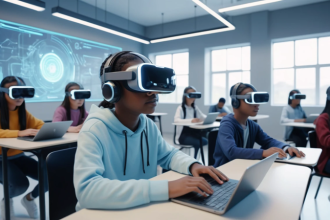
📱 Use Technology And Apps
Modern technology can transform history education. Interactive tools make learning faster, more visual, and more engaging.
Popular digital resources include:
- Interactive maps
- History podcasts
- Educational YouTube channels
- Quiz apps
- Augmented reality experiences
Many apps allow learners to explore ancient cities, famous battles, and historical timelines interactively. Younger audiences especially enjoy digital learning methods.
Technology should support active learning rather than passive scrolling.
✍️ Make Notes In A Fun Way
Traditional note-taking often feels repetitive. Creative note methods improve focus and memory.
Try using:
- Mind maps
- Doodles
- Color coding
- Flashcards
- Story summaries
Visual learning techniques help the brain organize information more efficiently. They also make studying less stressful.
Short summaries work especially well. Instead of copying entire paragraphs, focus on key ideas and emotional moments.
🔍 Ask “Why” Instead Of “When”
Many history lessons focus too heavily on dates. While dates matter, understanding why events happened is far more important.
Asking “why” creates curiosity and deeper thinking.
For example:
- Why did empires collapse?
- Why did revolutions begin?
- Why did societies change?
- Why were certain inventions important?
These questions encourage exploration rather than memorization.
Once learners understand causes and effects, dates become easier to remember naturally.
👨🏫 Make History Personal
One of the best ways to make history interesting is making it personal. Family history, local traditions, and community stories help learners connect emotionally.
Encourage students to interview grandparents or explore local historical events. Personal stories often feel more meaningful than distant historical facts.
People become curious when they realize history shaped their own lives. Suddenly, the past no longer feels disconnected.
Even small discoveries can spark excitement. 🧡
📺 Follow History Content Creators
Social media and online platforms now offer amazing educational content. Many creators explain historical events using humor, animation, and storytelling.
This style works especially well for younger learners who prefer short, engaging videos.
Good history creators often simplify difficult topics without removing important details. They make learning feel entertaining instead of stressful.
However, learners should still verify facts and use trusted educational sources when possible.
⏳ Avoid Memorization Overload
Memorization alone often destroys interest in history. Learners feel pressured to remember endless facts without understanding their importance.
Instead, focus on patterns, stories, and key ideas first. Once understanding improves, memory naturally follows.
A balanced history lesson includes:
- Storytelling
- Visual learning
- Discussion
- Critical thinking
- Interactive activities
This combination keeps learners engaged and motivated.
💡 Celebrate Curiosity And Questions
Curiosity is the engine of learning. When learners feel comfortable asking questions, history becomes much more exciting.
Teachers and parents should encourage exploration instead of demanding perfect answers immediately.
Interesting history questions include:
- What if this event never happened?
- Which historical figure would you meet?
- How would you survive in another century?
- What invention changed human life most?
Questions create imagination. Imagination creates engagement.
🏛️ Understand That History Shapes The Future
History matters because it teaches patterns about humanity. It shows how societies rise, fall, adapt, and survive.
Learning history helps people:
- Understand politics
- Recognize social changes
- Avoid repeating mistakes
- Appreciate cultural diversity
- Build critical thinking skills
When learners understand history’s importance, motivation increases naturally.
History is not just about the past. It is about understanding people, choices, and consequences.
Conclusion
Learning how to make history interesting starts with changing the way people approach the subject. History becomes exciting when it focuses on stories, emotions, creativity, and real human experiences instead of endless memorization.
Movies, games, discussions, timelines, technology, and personal connections all help bring the past to life. The best history lessons make learners curious, emotionally connected, and eager to explore more.
Once history feels personal and meaningful, it stops being boring and starts becoming unforgettable. ✨
FAQs
How Can I Make History Fun For Students?
Use games, storytelling, movies, and creative projects to increase engagement. Encourage debates and roleplay activities. Interactive learning helps students remember information more easily.
What Are The Best Ways To Study History?
Focus on understanding stories and major events first. Use timelines, visual notes, and discussions to improve memory. Reviewing information regularly also helps long-term retention.
Why Do Students Find History Boring?
Many students only memorize dates and facts without emotional connection. Dry teaching methods reduce curiosity. Making history interactive and story-driven improves interest quickly.
How Do Teachers Make History Interesting?
Teachers can use multimedia, classroom debates, historical simulations, and group activities. Connecting history to modern life also increases engagement. Creative teaching methods improve participation.
Can Movies Help Students Learn History Better?
Yes, movies help visualize historical events and create emotional connections. They make learning more engaging and memorable. Discussions afterward help separate facts from fiction.