Student-centered learning strategies for the future help students build critical thinking, creativity, and real-world skills for lifelong success.
Student-centered learning strategies for the future focus on personalized learning, collaboration, creativity, and real-world problem-solving. These modern teaching methods help students take ownership of learning, improve engagement, and prepare for future careers in a rapidly changing world.
Student-Centered Learning Strategies For The Future 🚀
Have you ever wondered why many students forget lessons soon after exams? Traditional teaching often focuses on memorization instead of understanding. Today’s students need more than facts. They need skills that help them thrive in the future workplace and everyday life.
Student-centered learning strategies shift the focus from teachers to learners. Instead of sitting quietly and listening all day, students actively participate in discussions, projects, and problem-solving tasks. This approach builds confidence, independence, and deeper understanding.
Schools across the United States are rapidly adopting student-focused classrooms because the world is changing fast 🌎. Technology, artificial intelligence, and remote work have transformed how people learn and work. Modern education must prepare students for those realities.
Why Student-Centered Learning Matters 🎯
Student-centered learning creates a more engaging and meaningful classroom experience. Students become active participants instead of passive listeners. They ask questions, explore ideas, and discover solutions on their own.
This method improves motivation because students feel valued and heard. When learners have choices, they become more invested in their education. They develop stronger critical thinking and communication skills over time.
Teachers also benefit from this approach. Instead of giving endless lectures, educators become guides and mentors. This creates a healthier classroom environment built on collaboration and trust 😊.
How Traditional Learning Is Changing 📚
For decades, classrooms followed a teacher-led structure. Students listened, took notes, and completed tests. While this method worked in some situations, it often limited creativity and curiosity.
Modern education now focuses on flexibility and personalization. Schools are moving toward project-based learning, digital collaboration, and interactive lessons. These changes help students connect learning to real life.
Employers today value adaptability, teamwork, and innovation. Student-centered classrooms help develop those exact skills. That is why education systems are evolving rapidly across the country.
| Traditional Learning | Student-Centered Learning |
| Teacher controls lessons | Students help shape learning |
| Focus on memorization | Focus on understanding |
| Standardized instruction | Personalized experiences |
| Passive participation | Active engagement |
| Limited collaboration | Team-based activities |
Personalized Learning Paths 🛤️
Every student learns differently. Some learn best through visuals, while others prefer hands-on activities. Personalized learning allows students to move at their own pace and use methods that fit their learning styles.
Technology plays a huge role here. Learning platforms can adjust lessons based on student performance. This helps struggling students catch up while advanced learners continue progressing.
Personalized education also reduces frustration and boredom. Students feel more confident because lessons match their abilities and interests. This creates a more positive attitude toward learning overall.
Active Learning Builds Better Skills 💡
Active learning encourages students to participate directly in the learning process. Instead of simply listening, students discuss ideas, solve problems, and work on projects together.
Research shows students remember information better when they actively engage with content. Activities like debates, role-playing, and group discussions improve retention and understanding.
This strategy also strengthens soft skills. Students learn leadership, collaboration, and decision-making abilities that employers highly value today.
Popular Active Learning Activities
- Group brainstorming sessions
- Classroom debates
- Hands-on science experiments
- Peer teaching activities
- Interactive quizzes
- Real-world simulations
Project-Based Learning Encourages Innovation 🛠️
Project-based learning allows students to explore real-world problems through long-term projects. Instead of memorizing textbook content, students apply knowledge in practical ways.
For example, students might design eco-friendly cities or create business plans. These projects encourage creativity and teamwork while improving research skills.
Students often become more excited about learning through projects. They see how classroom lessons connect to real-life situations, making education more meaningful.
Technology Integration In Modern Classrooms 💻
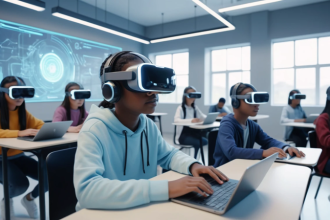
Technology has transformed education dramatically. Smart boards, educational apps, and virtual classrooms help students access information faster and more efficiently.
Digital tools also support collaboration. Students can work together online, share ideas instantly, and receive immediate feedback from teachers. This flexibility improves learning outcomes.
However, technology should support learning rather than replace human interaction. The best classrooms balance digital tools with meaningful discussions and personal connections.
| Technology Tool | Student Benefit |
| Learning Apps | Personalized practice |
| Virtual Reality | Immersive experiences |
| Video Conferencing | Remote collaboration |
| AI Learning Systems | Instant feedback |
| Online Portfolios | Skill tracking |
Collaborative Learning Strengthens Communication 🤝
Future workplaces depend heavily on teamwork. Collaborative learning helps students develop communication and interpersonal skills early.
Students working in groups learn how to share ideas respectfully and solve conflicts constructively. They also gain confidence when presenting their thoughts to others.
Collaboration teaches empathy as well. Students learn to appreciate different perspectives and backgrounds, which creates a more inclusive learning environment.
Critical Thinking Is Essential For The Future 🧠
Memorizing information is no longer enough in today’s digital age. Students need critical thinking skills to analyze information and make smart decisions.
Student-centered learning encourages curiosity and questioning. Instead of simply accepting answers, students explore multiple viewpoints and evaluate evidence.
This approach prepares students for complex future challenges. Whether solving workplace problems or navigating daily life, critical thinking remains a valuable skill.
Social-Emotional Learning Supports Growth ❤️
Academic success is important, but emotional well-being matters too. Social-emotional learning helps students manage emotions, build relationships, and develop self-awareness.
Student-centered classrooms often create safer emotional environments. Students feel comfortable expressing ideas and asking questions without fear of judgment.
This support improves both mental health and academic performance. Students who feel emotionally secure are more likely to participate and succeed.
“Students learn best when they feel respected, supported, and empowered.”
Flexible Learning Environments Improve Engagement 🏫
Traditional rows of desks are slowly disappearing. Flexible classrooms now include collaborative spaces, quiet zones, and creative workstations.
These environments support different learning activities throughout the day. Students can move around, work independently, or collaborate in teams depending on the task.
Flexible learning spaces also improve comfort and focus. Students often feel more relaxed and motivated in adaptable environments 😊.
Student Voice And Choice Matter 🎤
Students become more engaged when they have a say in their education. Allowing choices in assignments or learning methods increases motivation significantly.
For example, students may choose between creating a video presentation or writing an essay. Both options assess learning while respecting individual strengths.
Giving students a voice also builds responsibility and independence. They learn how to make decisions and take ownership of their education.
Ways Teachers Can Offer Choice
- Let students select project topics
- Provide multiple assignment formats
- Allow flexible seating options
- Encourage self-paced learning
- Include student feedback in lesson planning
Real-World Learning Experiences 🌍
Future-ready education connects classroom lessons to real-world situations. Students need practical experiences that prepare them for adult life and careers.
Internships, community projects, and problem-solving activities help students apply their knowledge outside school walls. These experiences make learning more memorable and valuable.
Real-world learning also improves career readiness. Students gain confidence and understand how education relates to future opportunities.
| Real-World Strategy | Future Skill Developed |
| Community Projects | Leadership |
| Career Internships | Professional skills |
| Entrepreneurial Tasks | Innovation |
| Service Learning | Social responsibility |
| Research Projects | Analytical thinking |
The Role Of Teachers In Student-Centered Learning 👩🏫
Teachers remain essential in modern classrooms, but their roles are evolving. Instead of acting only as lecturers, teachers become facilitators and mentors.
Educators guide students through learning experiences, ask thoughtful questions, and provide support when needed. This approach encourages deeper understanding.
Strong teacher-student relationships also improve classroom culture. Students perform better when they trust and respect their teachers.
Challenges Of Student-Centered Education ⚠️
Although student-centered learning offers many benefits, it also presents challenges. Some schools struggle with limited resources or outdated teaching methods.
Teachers may need additional training to implement modern strategies effectively. Managing personalized classrooms can also require more planning and flexibility.
Despite these obstacles, many educators believe the long-term benefits outweigh the difficulties. Schools that adapt successfully often see improved student outcomes.
How Parents Can Support Student-Centered Learning 🏡
Parents play a huge role in educational success. Supporting curiosity and independent thinking at home strengthens classroom learning.
Families can encourage children to ask questions, explore hobbies, and solve everyday problems creatively. These activities reinforce important future-ready skills.
Open communication with teachers also helps students thrive. When parents and educators work together, children receive stronger support systems.
Helpful Parent Strategies
- Encourage reading and creativity
- Discuss real-world issues together
- Celebrate effort, not just grades
- Support problem-solving activities
- Limit passive screen time
Future Careers Demand Adaptable Learners 📈
The future job market will continue changing rapidly. Many careers students will hold in the future do not even exist yet.
Student-centered learning helps students become adaptable and resilient. These qualities are critical in industries shaped by automation and artificial intelligence.
Employers increasingly seek workers who can collaborate, communicate, and think creatively. Modern classrooms are designed to build those exact skills.
Lifelong Learning Starts Early 🌟
Education should not stop after graduation. Student-centered learning encourages curiosity and continuous growth throughout life.
Students who enjoy learning are more likely to pursue new skills and opportunities later. They become self-motivated learners capable of adapting to change.
This mindset benefits both personal and professional growth. Lifelong learners remain flexible and prepared for future challenges.
Building Inclusive Classrooms For Every Student 🌈
Inclusive education ensures every student feels valued and supported. Student-centered learning recognizes that learners have different strengths, cultures, and needs.
Teachers can use diverse teaching methods to reach all students effectively. This creates equal opportunities for participation and success.
Inclusive classrooms also teach empathy and respect. Students learn to appreciate differences while working together toward common goals.
Conclusion 🎓
Student-centered learning strategies for the future are transforming modern education. These approaches focus on creativity, collaboration, critical thinking, and personalized experiences. Instead of memorizing information, students learn how to solve problems and adapt to change.
Future-ready classrooms empower students to take ownership of learning while developing essential life skills. Teachers become mentors, technology supports engagement, and real-world experiences make education meaningful.
As the world continues evolving, education must evolve too. Student-centered learning provides the tools students need to succeed academically, professionally, and personally in the years ahead 🚀.
FAQs
What Are Student-Centered Learning Strategies?
Student-centered learning strategies focus on active participation and personalized education. Students take a larger role in their learning process. Teachers guide rather than control every lesson.
How Does Personalized Learning Help Students?
Personalized learning matches lessons to individual student needs and abilities. It helps students learn at their own pace. This improves confidence, engagement, and academic performance.
Why Is Collaborative Learning Important Today?
Collaborative learning teaches communication and teamwork skills. These abilities are essential in modern workplaces. Students also learn empathy and problem-solving through group activities.
Can Technology Improve Student-Centered Education?
Technology supports personalized lessons and interactive learning experiences. It also improves collaboration and instant feedback. However, balance between technology and human interaction remains important.
How Can Teachers Create Future-Ready Classrooms?
Teachers can use project-based learning, flexible classrooms, and active learning methods. Encouraging student voice and creativity also helps. These strategies prepare students for future careers and lifelong learning.