Personalized learning strategies for K–12 help students learn better with tailored methods. Discover effective, practical ideas for classrooms and homes.
Personalized learning strategies for K–12 focus on tailoring instruction to meet each student’s needs, pace, and interests. These strategies improve engagement, boost academic success, and support diverse learning styles by giving students more control over how they learn.
Personalized Learning Strategies For K–12 🎯
What if every student could learn in a way that actually fits them?
That’s the core idea behind personalized learning. Instead of a one-size-fits-all classroom, students get experiences shaped around their strengths, needs, and goals. This approach is transforming K–12 education across the U.S.
Personalized learning strategies for K–12 are designed to help students succeed academically and emotionally. They allow teachers to adapt lessons, use technology, and create flexible learning paths. When done right, it leads to higher engagement, better retention, and stronger outcomes.
What Is Personalized Learning In K–12? 📘
Personalized learning is a student-centered approach where teaching methods, pace, and content are tailored to individual learners. It moves away from traditional instruction and focuses on flexibility and choice.
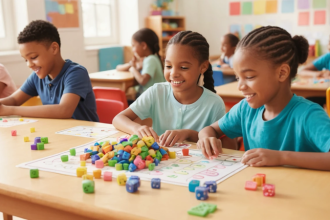
In a personalized classroom, students may work on different tasks at the same time. Teachers act as guides rather than lecturers. This creates a more engaging and supportive learning environment.
“Every student learns differently—and that’s a strength, not a problem.” ✨
Why Personalized Learning Matters Today 🚀
Today’s classrooms are more diverse than ever. Students come with different backgrounds, abilities, and learning styles. A fixed teaching approach simply cannot meet all these needs.
Personalized learning helps bridge this gap. It supports students who struggle while challenging those who excel. It also prepares students for real-world problem-solving and independent thinking.
Key Benefits Of Personalized Learning 🌟
Personalized learning offers several advantages for both students and teachers:
- Improved engagement – Students stay interested in lessons
- Better retention – Learning becomes meaningful
- Stronger independence – Students take ownership
- Higher achievement – Tailored support boosts results
Students feel more confident when learning matches their pace. This leads to a positive classroom experience.
Types Of Personalized Learning Strategies 🧠
There are several approaches teachers can use to personalize learning:
| Strategy Type | Description | Example |
| Differentiated Instruction | Adjusting content and tasks | Different reading levels |
| Adaptive Learning | Tech-based customization | AI learning platforms |
| Competency-Based Learning | Progress based on mastery | Move ahead after mastering topic |
| Project-Based Learning | Real-world projects | Science experiments |
Each strategy can be used alone or combined for better results.
Differentiated Instruction Explained ✏️
Differentiated instruction involves modifying lessons to meet student needs. Teachers adjust content, process, and outcomes.
For example, a teacher might give advanced students complex problems while offering simpler tasks to others. This ensures everyone learns effectively.
This approach works well in mixed-ability classrooms. It keeps all students challenged without overwhelming them.
Role Of Technology In Personalized Learning 💻
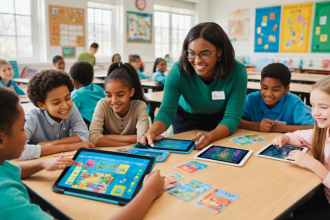
Technology plays a huge role in modern classrooms. It enables teachers to track progress and adapt lessons in real time.
Popular tools include:
- Learning management systems
- Educational apps
- AI-based platforms
These tools provide instant feedback and customized learning paths. Students can learn anytime, anywhere.
Student-Centered Learning Environment 🏫
A personalized classroom focuses on the student, not the teacher. Students have more voice and choice in their learning journey.
Teachers encourage collaboration, creativity, and critical thinking. This creates a more engaging learning space.
Students feel valued and motivated when they have control over their learning.
How Teachers Can Implement Personalized Learning 👩🏫
Teachers can start small and gradually build personalized systems:
- Assess student needs and learning styles
- Set flexible learning goals
- Use varied teaching methods
- Provide regular feedback
Consistency is key. Over time, these strategies become part of everyday teaching.
Challenges Of Personalized Learning ⚠️
While effective, personalized learning comes with challenges:
- Time-consuming planning
- Need for training
- Limited resources in some schools
Teachers may feel overwhelmed at first. However, with proper support, these challenges can be managed.
Personalized Learning Vs Traditional Learning ⚖️
| Feature | Personalized Learning | Traditional Learning |
| Pace | Flexible | Fixed |
| Teaching Style | Student-centered | Teacher-centered |
| Assessment | Continuous | Periodic |
| Engagement | High | Moderate |
The difference is clear. Personalized learning offers more flexibility and engagement.
Importance Of Student Voice And Choice 🗣️
Giving students a voice in their learning increases motivation. They feel more connected to what they are studying.
For example, students can choose topics for projects or select how they present their work. This builds creativity and confidence.
When students feel heard, they participate more actively.
Role Of Parents In Personalized Learning 👨👩👧
Parents play a crucial role in supporting personalized learning at home. They can reinforce learning habits and provide encouragement.
Ways parents can help:
- Create a structured learning space
- Monitor progress
- Communicate with teachers
A strong home-school connection enhances student success.
Assessment In Personalized Learning 📊
Assessment is ongoing and flexible in personalized learning. It focuses on growth rather than just grades.
Teachers use:
- Quizzes
- Projects
- Observations
This helps track progress and identify areas for improvement. Students also learn to reflect on their own performance.
Examples Of Personalized Learning In Action 🎓
Here are some real-life examples:
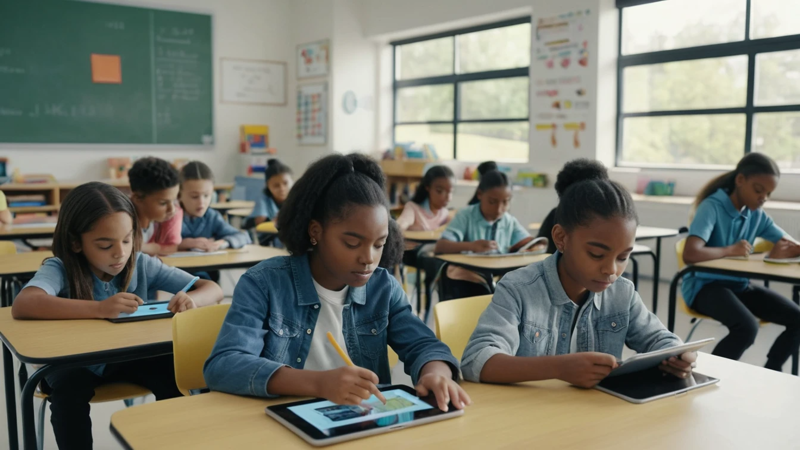
- A student using an app to practice math at their own pace
- A group project where each student has a unique role
- A reading program tailored to individual levels
These examples show how learning can be adapted to each student.
Tools And Resources For Personalized Learning 🛠️
There are many tools available to support personalized learning:
| Tool Type | Purpose | Example Use |
| Learning Apps | Practice skills | Math drills |
| Online Platforms | Course delivery | Virtual classrooms |
| Assessment Tools | Track progress | Quizzes and reports |
Using the right tools makes implementation easier and more effective.
Future Of Personalized Learning 🔮
The future of education is personalized. With advancements in AI and data analytics, learning will become even more tailored.
Students will have customized learning paths based on their strengths and goals. Teachers will have better tools to support each learner.
Education will continue to evolve to meet the needs of every student.
Tips To Get Started With Personalized Learning ✅
If you’re new to personalized learning, start with these simple tips:
- Begin with small changes
- Focus on student needs
- Use available technology
- Collaborate with other educators
Small steps can lead to big changes. 🌱
Conclusion 🎯
Personalized learning strategies for K–12 are transforming education by focusing on individual student needs. They improve engagement, boost academic success, and create a more inclusive learning environment. While challenges exist, the benefits far outweigh them. With the right tools, support, and mindset, personalized learning can help every student thrive.
FAQs ❓
- What are personalized learning strategies for K–12 students?
They are teaching methods tailored to each student’s needs and pace. These strategies include differentiated instruction and adaptive learning. They help improve engagement and outcomes. - How can teachers personalize learning in classrooms?
Teachers can use flexible lessons, technology, and varied assessments. They should focus on student needs and progress. Small changes can make a big difference. - Why is personalized learning important for students?
It helps students learn in ways that suit them best. This increases motivation and understanding. It also supports different learning styles. - What tools support personalized learning in schools?
Tools include learning apps, online platforms, and assessment systems. These help track progress and customize lessons. They make teaching more effective. - What challenges come with personalized learning?
Challenges include time, resources, and training needs. Teachers may need support to implement it. However, the benefits make it worthwhile.