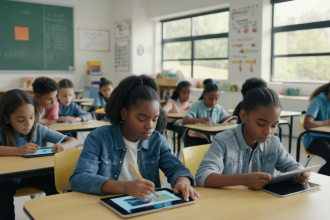
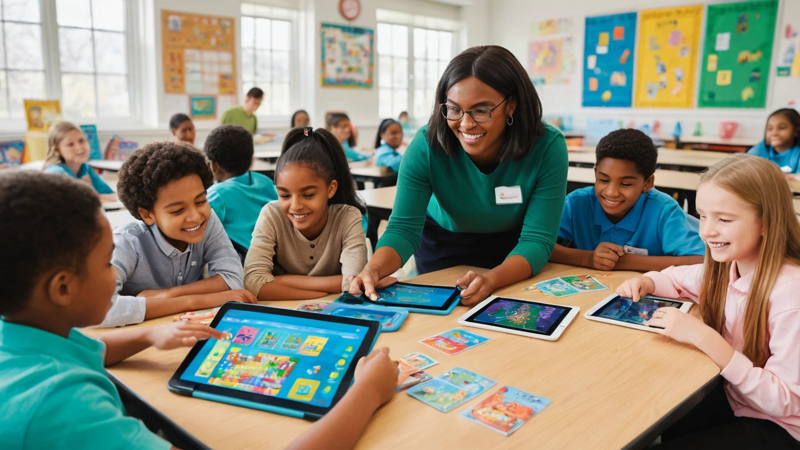
Interactive learning games for K–12 students make education fun, boost creativity, and improve retention. Explore top digital and classroom activities!
Interactive learning games for K–12 students combine fun with education through hands-on activities, digital tools, and collaborative challenges that improve engagement, critical thinking, and knowledge retention in the classroom or at home.
Interactive Learning Games For K–12 Students: Making Education Fun And Engaging 🎮
Ever wonder why kids seem to remember every detail of their favorite video game but forget yesterday’s math lesson? 🤔 The answer lies in engagement—and that’s exactly what interactive learning games bring to education.
At its core, this approach turns ordinary lessons into exciting, hands-on adventures that keep students curious and motivated. Whether you’re a teacher, parent, or homeschooler, interactive games can transform how your students learn, collaborate, and think critically.
Let’s explore how these educational tools work, why they matter, and how to use them effectively in K–12 learning environments.
What Are Interactive Learning Games? 🎯
Interactive learning games are educational activities—digital or physical—that require active participation. Unlike traditional rote learning, these games engage students through decision-making, problem-solving, and teamwork.
They often use storytelling, rewards, and instant feedback to make learning feel like play. From online math quizzes to classroom board games, interactivity helps bridge the gap between learning and doing.
Why Interactive Games Work In K–12 Education
Children learn best when they’re engaged, emotionally connected, and challenged just enough. Interactive games meet these needs by promoting:
- Active participation instead of passive memorization
- Immediate feedback for better understanding
- Social interaction through teamwork and collaboration
- Intrinsic motivation driven by fun, curiosity, and competition
In short, these games make learning stick—because they connect with how kids naturally learn.
Benefits Of Interactive Learning Games For Students 🌟
Interactive learning games do more than entertain—they boost retention and confidence. Here’s how:
- Improved memory: Repetition through play cements information.
- Better problem-solving: Students learn to think strategically.
- Enhanced creativity: Games encourage imaginative thinking.
- Social skills: Collaboration teaches empathy and communication.
When learning feels like fun, students stay engaged longer—and learn deeper.
Digital vs. Traditional Games: What’s The Difference? 💻🎲
| Feature | Digital Games | Traditional Classroom Games |
| Platform | Online, apps, devices | Physical materials or activities |
| Feedback | Instant, automated | Teacher-guided |
| Collaboration | Often remote or team-based | Face-to-face |
| Examples | Kahoot!, MinecraftEDU | Spelling Bee, Quiz Bowl |
Both have unique advantages. Digital games are great for remote learning, while traditional games foster in-person collaboration.
Top Online Interactive Games For K–12 Students
Let’s break it down by age group so you can choose wisely:
Elementary School (Grades K–5):
- ABCmouse: Great for early reading and math.
- Prodigy: Makes math magical through adventure play.
- PBS Kids Games: Focuses on fun, safe educational play.
Middle School (Grades 6–8):
- Kahoot!: Perfect for quick quizzes and classroom competitions.
- Code.org: Introduces kids to programming logic.
- National Geographic Kids: Blends learning with exploration.
High School (Grades 9–12):
- Quizizz: Adds humor and memes to academic quizzes.
- Minecraft Education Edition: Encourages creativity and teamwork.
- PhET Simulations: Ideal for science and math experiments.
Classroom Games That Encourage Collaboration 🤝
Team-based learning builds communication, critical thinking, and leadership. Some fun collaborative ideas include:
- Jeopardy-Style Review: Turn exam prep into a trivia contest.
- Escape Room Challenges: Use puzzles to unlock clues.
- Debate Battles: Foster reasoning and speaking confidence.
Students learn more when they learn together.
Gamifying Lessons For Better Engagement
Gamification isn’t just about playing—it’s about applying game elements to learning. Add:
- Points and levels for progress tracking
- Badges or rewards for achievements
- Leaderboards for friendly competition
This structure taps into motivation and accountability while keeping lessons exciting.
STEM-Based Interactive Learning Ideas 🔬
STEM subjects thrive on experimentation. Try these:
- Build and race paper rockets (Physics)
- Design a coding challenge (Computer Science)
- Play molecule-matching games (Chemistry)
Hands-on games help students see concepts come to life—making STEM subjects approachable and fun.
Best Free Educational Game Platforms For Teachers
| Platform | Key Focus | Cost |
| Kahoot! | Quizzes and polls | Free (basic plan) |
| Quizlet | Flashcards and learning sets | Free |
| Blooket | Customizable classroom games | Free |
| Gimkit | Live game shows | Free (limited) |
Free doesn’t mean low quality—these platforms offer interactive, ready-to-use content that keeps students hooked.
Integrating Games Into Lesson Plans 🎓
Adding games to your lessons doesn’t mean throwing out structure. Try this 3-step method:
- Start small: Add one 10-minute game per subject.
- Align it with goals: Pick games that support learning outcomes.
- Reflect after play: Discuss what students learned.
Balance is key—games should support, not replace, traditional instruction.
Interactive Learning Games For Remote Classrooms 🖥️
Online teaching doesn’t have to be boring. Platforms like Nearpod, Kahoot!, and Pear Deck make virtual classes interactive and social.
Students can join from home, collaborate in breakout rooms, and participate in polls or challenges—keeping the same excitement as in-person sessions.
Improving Critical Thinking Through Games 🧠
Interactive learning naturally encourages curiosity and reasoning.
For instance, logic puzzles, mystery-solving activities, or simulation games make students apply knowledge rather than memorize it. When learners make choices and see consequences, critical thinking grows.
How Teachers Can Measure Learning Through Games
| Assessment Method | Description | Example |
| Performance Tracking | Scores or achievements | Quizizz results |
| Observation | Teacher notes progress | Group discussions |
| Self-Reflection | Students assess themselves | Kahoot feedback form |
Measuring isn’t just about scores—it’s about understanding how well students grasp and apply what they learn.
Encouraging Creativity With Game-Based Projects 🎨
Let students create their own educational games!
- Build a math card game
- Design a history trivia board
- Code a simple story in Scratch
When students design, they apply critical skills across multiple subjects—and take ownership of their learning.
Overcoming Challenges In Game-Based Learning
Some teachers worry games might distract students. The key? Balance and structure.
Set clear objectives, choose age-appropriate tools, and establish rules to keep fun productive. When games are purpose-driven, they enhance—not hinder—focus.
The Future Of Interactive Learning In Education 🚀
The next wave of education combines AI, VR, and AR with game-based experiences. Imagine students exploring the solar system in VR or solving history mysteries through AR simulations.
Interactive learning will continue to make classrooms more dynamic, personalized, and inspiring.
Conclusion: Turning Lessons Into Adventures
Interactive learning games for K–12 students are more than just play—they’re a powerful way to inspire curiosity, teamwork, and lifelong learning. By mixing education with excitement, teachers can create lessons that students remember, enjoy, and apply in real life.
So why stick to old methods when learning can feel like an adventure every single day? 🌈
FAQs
- What are the best free interactive learning games for kids?
Some top free options include Kahoot!, Prodigy, and PBS Kids Games, offering fun, age-appropriate lessons in math, reading, and science. - How do interactive games improve classroom learning?
They make students more active participants, boost focus, and encourage teamwork, leading to better understanding and higher retention. - Can interactive games help with remote learning?
Absolutely! Tools like Nearpod and Quizizz make virtual lessons engaging through quizzes, polls, and live collaboration. - What subjects work best with game-based learning?
STEM, language arts, and history benefit the most because they involve hands-on activities, storytelling, and experimentation. - How can teachers balance fun and focus during games?
By setting clear goals, choosing relevant games, and debriefing after each activity to connect playtime with learning outcomes.