
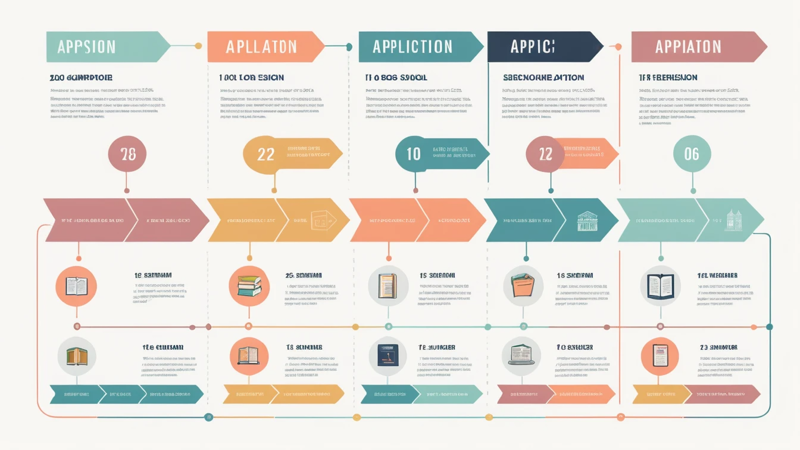
Timeline for applying to college explained step-by-step. Learn when to prepare, apply, and succeed with this easy, student-friendly guide.
A clear college application timeline starts as early as freshman year and runs through senior year deadlines, helping you stay organized, meet requirements, and boost acceptance chances. Planning early ensures strong applications, less stress, and better scholarship opportunities.
Timeline For Applying To College
Ever wondered why some students glide into college while others scramble at the last minute? 🤔
The difference is simple: timing. A well-planned timeline for applying to college keeps you ahead of deadlines and reduces stress. If you follow a structured plan, you’ll avoid last-minute panic and build a stronger application.
Let’s break it down step by step so you know exactly what to do—and when.
🎯 Why A College Application Timeline Matters
Planning your college journey isn’t just about deadlines. It’s about building a strong story over time. Colleges want to see growth, consistency, and effort. A timeline helps you show all three.
Without a plan, it’s easy to miss key opportunities. Scholarships, test dates, and recommendation letters all have deadlines. Missing even one can hurt your chances.
A clear timeline also reduces stress. When you know what’s coming, you feel more in control. That confidence shows in your applications.
🧭 Understanding The College Application Process
Before diving into the timeline, it helps to know what you’re preparing for. The process includes several steps, and each one takes time.
You’ll need to research schools, take standardized tests, write essays, and gather documents. Each step builds on the last. That’s why starting early matters.
Here’s what most applications include:
- Academic transcripts
- Standardized test scores
- Personal essays
- Letters of recommendation
- Extracurricular activities
📅 Freshman Year: Build A Strong Foundation
Your college journey starts earlier than you think. Freshman year is all about setting habits and exploring interests.
Focus on your grades. Colleges look at your GPA over all four years. A strong start gives you an advantage later.
Also, try new activities. Join clubs, sports, or volunteer groups. These experiences help you discover your passions and build your resume.
📘 Sophomore Year: Explore And Prepare
Sophomore year is your time to explore deeper. Start thinking about what you enjoy and what you’re good at.
Take challenging classes if you can. Honors or advanced courses show colleges that you’re willing to push yourself.
You should also begin researching colleges. It’s early, but it helps you understand what schools expect.
🧾 Key Tasks By Grade Level
| Grade Level | Focus Areas | Key Actions |
| Freshman | Foundation | Good grades, join activities |
| Sophomore | Exploration | Try advanced classes, research colleges |
| Junior | Preparation | Tests, essays, college visits |
| Senior | Application | Submit applications, finalize decisions |
📊 Junior Year: The Most Important Phase
Junior year is where things get serious. This is the year colleges care about most.
Your grades matter a lot now. Keep them strong and consistent. At the same time, prepare for standardized tests like the SAT or ACT.
You should also start visiting colleges. This helps you understand what kind of environment you prefer.
📝 Start Preparing For Standardized Tests
Testing is a big part of the application process. Even though some schools are test-optional, strong scores can boost your chances.
Start preparing early in junior year. Take practice tests to see where you stand.
Then create a study plan. Focus on weak areas and improve step by step. Consistency is key here.
✍️ Begin Drafting Your College Essay
Your college essay is your voice. It tells your story beyond grades and scores.
Start brainstorming ideas in junior year. Think about experiences that shaped you.
Write your first draft early. This gives you time to revise and improve. Don’t rush this part—it matters more than you think.
🎓 Senior Year: Application Season Begins
Senior year is when everything comes together. This is the time to apply to colleges.
Stay organized. Keep track of deadlines, requirements, and documents.
You’ll also need to finalize your college list. Make sure it includes:
- Reach schools
- Match schools
- Safety schools
⏰ Know Your Application Deadlines
Deadlines vary by college. Missing one can mean missing your chance.
Here are common types of deadlines:
- Early Decision (ED) – Binding, usually November
- Early Action (EA) – Non-binding, usually November
- Regular Decision (RD) – January deadlines
📌 Common Application Deadlines Overview
| Application Type | Deadline | Decision Time |
| Early Decision | Nov 1–15 | December |
| Early Action | Nov 1–15 | December–January |
| Regular Decision | Jan 1–15 | March–April |
📬 Request Letters Of Recommendation
Recommendations add depth to your application. They show who you are beyond grades.
Ask teachers early in senior year. Choose people who know you well.
Give them enough time. At least 4–6 weeks is ideal. Also, provide details about your goals.
💻 Complete Your College Applications
Applications take time. Don’t wait until the last minute.
Break the process into smaller steps. Work on one section at a time.
Double-check everything before submitting. Even small errors can make a difference.
💰 Apply For Scholarships And Financial Aid
College is expensive, but help is available. Scholarships and financial aid can reduce costs.
Start applying early. Many scholarships have deadlines before college applications.
Also, complete financial aid forms like FAFSA as soon as possible.
💡 Financial Planning Checklist
| Task | When To Start | Notes |
| FAFSA Submission | Oct Senior Year | Apply early for best aid |
| Scholarship Search | Junior Year | Apply continuously |
| Compare Offers | Spring Senior Year | Choose best financial option |
📊 Track Your Application Progress
Staying organized is key. Use a tracker to manage everything.
You can use a simple spreadsheet or app. Track deadlines, submissions, and responses.
This helps you avoid missing important steps. It also reduces stress.
📣 Prepare For Interviews If Required
Some colleges require interviews. This is your chance to stand out.
Practice answering common questions. Be honest and confident.
Dress appropriately and be respectful. First impressions matter.
📨 Wait For Decisions And Compare Offers
Waiting can feel stressful. But this is also an exciting time 🎉
Once decisions arrive, compare your options. Look at:
- Academic programs
- Campus environment
- Financial aid packages
Choose the school that fits you best.
🎉 Accept Your Offer And Prepare For College
Once you decide, accept your offer before the deadline.
Then start preparing for college life. Attend orientation and connect with future classmates.
This is the beginning of a new chapter. Enjoy the journey!
⚠️ Common Mistakes To Avoid
Even with a timeline, mistakes can happen. Avoid these common ones:
- Waiting until the last minute
- Applying to too few colleges
- Ignoring scholarship deadlines
- Submitting incomplete applications
Staying proactive helps you avoid these issues.
🚀 Tips To Stay Ahead In The Process
Want to make things easier? Follow these simple tips:
- Start early – Time is your biggest advantage
- Stay organized – Use checklists and trackers
- Ask for help – Teachers and counselors are valuable
- Be authentic – Show your true self in essays
Small steps make a big difference over time.
🏁 Conclusion
A well-planned timeline for applying to college can transform a stressful process into a smooth journey. Starting early, staying organized, and meeting deadlines are the keys to success. Each year of high school plays a role in building your application.
By following this guide, you’ll not only meet deadlines—you’ll create a strong, confident application that truly represents you.
❓ FAQs
When should I start preparing for college applications?
Start in freshman year by focusing on grades and activities. Serious preparation begins in junior year with tests and research. Early planning reduces stress and improves results.
What is the best timeline for applying to college?
The best timeline starts in freshman year and peaks in senior year. Junior year is crucial for tests and essays. Applications are usually submitted in senior year.
How early should I apply for college deadlines?
Apply as early as possible, especially for early decision or action. These deadlines are usually in November. Early applications can improve your chances.
How long does the college application process take?
The process can take 2–4 years if you include preparation. Active application work takes about 6–12 months. Planning ahead makes it manageable.
What happens if I miss college deadlines?
Missing deadlines can limit your options. Some schools may not accept late applications. Always track deadlines carefully to avoid this issue.