Education trends to watch this year are transforming learning fast. Discover key shifts shaping classrooms, online learning, and future skills.
Education trends to watch this year highlight the rapid shift toward digital learning, personalized education, and skill-based development. Schools, colleges, and workplaces are evolving fast, driven by technology, changing job markets, and student needs. Understanding these trends helps learners stay ahead and adapt.
Education Trends To Watch This Year 📚✨
What if the way we learn today becomes completely outdated tomorrow?
Education is changing faster than ever. From AI-powered tools to flexible online learning, the system is evolving to match real-world needs. This year, the focus is clear—learning must be practical, personalized, and future-ready.
Let’s break down the most important education trends shaping the future.
Rise Of AI In Education 🤖
Artificial intelligence is no longer a buzzword. It is now part of daily learning experiences. AI tools help teachers create better lesson plans and assist students in real time.
Students can now use AI tutors for instant answers. These tools adapt to learning speed and style. That means every learner gets a unique experience.
Key benefits include:
- Instant feedback
- Personalized study paths
- Improved learning efficiency
Personalized Learning Paths 🎯
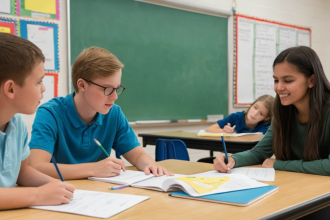
Not every student learns the same way. That’s why personalized learning is gaining attention. Schools are now focusing on individual strengths and weaknesses.
With adaptive platforms, students move at their own pace. Faster learners can advance quickly, while others get extra support.
This approach improves confidence and outcomes. It also reduces stress and comparison among students.
Growth Of Online Learning Platforms 💻
Online education is now mainstream. More learners prefer flexibility and convenience. Platforms offer courses in almost every subject imaginable.
Working professionals are especially benefiting. They can upskill without leaving their jobs. Students also enjoy learning from global instructors.
Popular features include:
- Self-paced courses
- Interactive content
- Certification programs
Hybrid Learning Models 🔄
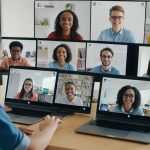
Hybrid learning blends classroom and online education. This model offers the best of both worlds. Students can attend physical classes and learn remotely.
Schools are investing in digital infrastructure. Teachers are also adapting to new teaching methods.
This trend ensures continuity in learning. It also makes education more accessible.
Focus On Skill-Based Education 🛠️
Degrees alone are no longer enough. Employers now value skills over qualifications. That’s why education is shifting toward practical learning.
Students are encouraged to build real-world skills. Coding, communication, and problem-solving are top priorities.
In-demand skills include:
- Critical thinking
- Digital literacy
- Collaboration
- Creativity
Microlearning And Short Courses ⏱️
Attention spans are shrinking. People prefer quick, focused lessons. Microlearning delivers content in small chunks.
These lessons are easy to understand and remember. They are also perfect for busy schedules.
Short courses help learners gain skills fast. This trend is especially popular among professionals.
Gamification In Learning 🎮
Learning doesn’t have to be boring. Gamification makes education fun and engaging. It uses game elements like rewards and challenges.
Students stay motivated and participate more. This improves retention and performance.
Common gamification features:
- Points and badges
- Leaderboards
- Interactive quizzes
Increased Use Of Virtual And Augmented Reality 🕶️
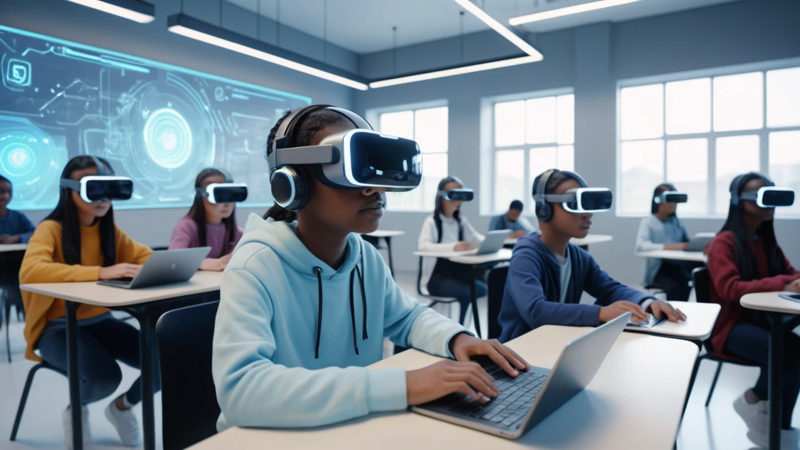
Virtual reality (VR) and augmented reality (AR) are transforming education. They create immersive learning experiences.
Students can explore historical sites or perform virtual science experiments. This makes learning more interactive.
These technologies improve understanding and memory. They also make complex topics easier.
Lifelong Learning Mindset 📖
Learning no longer stops after graduation. People are constantly updating their skills. This is known as lifelong learning.
Career changes are more common now. Continuous learning helps people stay relevant.
Companies also encourage employee training. This boosts productivity and growth.
Data-Driven Education 📊
Schools are using data to improve teaching methods. Analytics help track student performance.
Teachers can identify gaps and adjust strategies. This leads to better results.
Here’s how data is used:
| Area | Benefit |
| Student Performance | Identifies strengths and weaknesses |
| Teaching Methods | Improves lesson effectiveness |
| Engagement Levels | Tracks participation |
Emphasis On Mental Health 🧠💚
Mental health is now a priority in education. Schools are focusing on emotional well-being.
Students face pressure from academics and social life. Support systems are essential.
Programs now include counseling and mindfulness sessions. A healthy mind improves learning outcomes.
Mobile Learning Expansion 📱
Learning on mobile devices is growing fast. Students can access content anytime, anywhere.
Apps make learning convenient and interactive. This is especially helpful for remote learners.
Mobile learning supports flexibility. It also encourages continuous engagement.
Teacher Role Transformation 👩🏫
Teachers are no longer just instructors. They are mentors and facilitators. Their role is evolving with technology.
They guide students through learning journeys. They also focus on critical thinking and creativity.
Training programs help teachers adapt. This ensures effective teaching in modern classrooms.
Global Learning Opportunities 🌍
Education is becoming more global. Students can learn from international experts.
Online platforms connect learners worldwide. This promotes cultural exchange.
Global exposure prepares students for diverse workplaces. It also broadens perspectives.
Sustainability Education 🌱
Environmental awareness is growing. Schools are teaching sustainability concepts.
Students learn about climate change and eco-friendly practices. This builds responsible citizens.
Sustainability education is becoming essential. It prepares learners for future challenges.
Credentialing And Digital Certificates 🎓
Traditional degrees are not the only option now. Digital certificates and badges are gaining popularity.
They are quick, affordable, and skill-focused. Employers recognize these credentials.
Here’s a comparison:
| Feature | Traditional Degree | Digital Certificate |
| Duration | 3–4 years | Few weeks/months |
| Cost | High | Affordable |
| Focus | Broad knowledge | Specific skills |
Collaboration And Social Learning 🤝
Learning is becoming more collaborative. Students work in teams and share ideas.
Group projects improve communication skills. They also encourage creativity.
Online forums and communities support peer learning. This makes education more interactive.
Future Of Education At A Glance 🔮
Here’s a quick overview of key trends:
| Trend | Impact |
| AI Integration | Personalized learning |
| Online Platforms | Flexible education |
| Skill-Based Learning | Job readiness |
| Hybrid Models | Accessibility |
| VR/AR | Immersive experiences |
Conclusion 🎯
Education trends to watch this year show a clear shift toward flexibility, technology, and skills. Learning is no longer limited to classrooms. It is now personalized, digital, and continuous.
Students must adapt to these changes. Teachers must evolve their methods. And institutions must embrace innovation.
The future of education is exciting—and it’s already here.
FAQs ❓
- What are the biggest education trends today?
The biggest trends include AI in learning, online education, and skill-based training. These changes focus on flexibility and personalization. They help learners prepare for modern careers. - Why is skill-based education important now?
Skill-based education prepares students for real-world jobs. Employers want practical abilities over degrees. This approach improves job readiness and career growth. - How is technology changing education systems?
Technology makes learning more accessible and engaging. Tools like AI, VR, and apps improve understanding. They also allow flexible learning from anywhere. - What is hybrid learning in education?
Hybrid learning combines online and classroom teaching. It offers flexibility and convenience. Students can learn both physically and digitally. - How can students adapt to new education trends?
Students should focus on continuous learning and skill development. They should explore online courses and new tools. Staying curious and adaptable is key.